
Open vs. Enclosed Car Transport: Which Shipping Option Is Right for You?
Shipping a vehicle to another city or state requires choosing the right transportation method. Whether you are relocating, purchasing a vehicle online, selling a car, or sending a vehicle to a family member, selecting an appropriate shipping option can make the process easier. Two of the most common vehicle shipping methods are open car transport and enclosed car transport.
At Car Transit Transport, we understand that every vehicle and customer’s needs are different. Knowing how these two transportation options work can help you make a more informed decision.
What Is Open Car Transport?
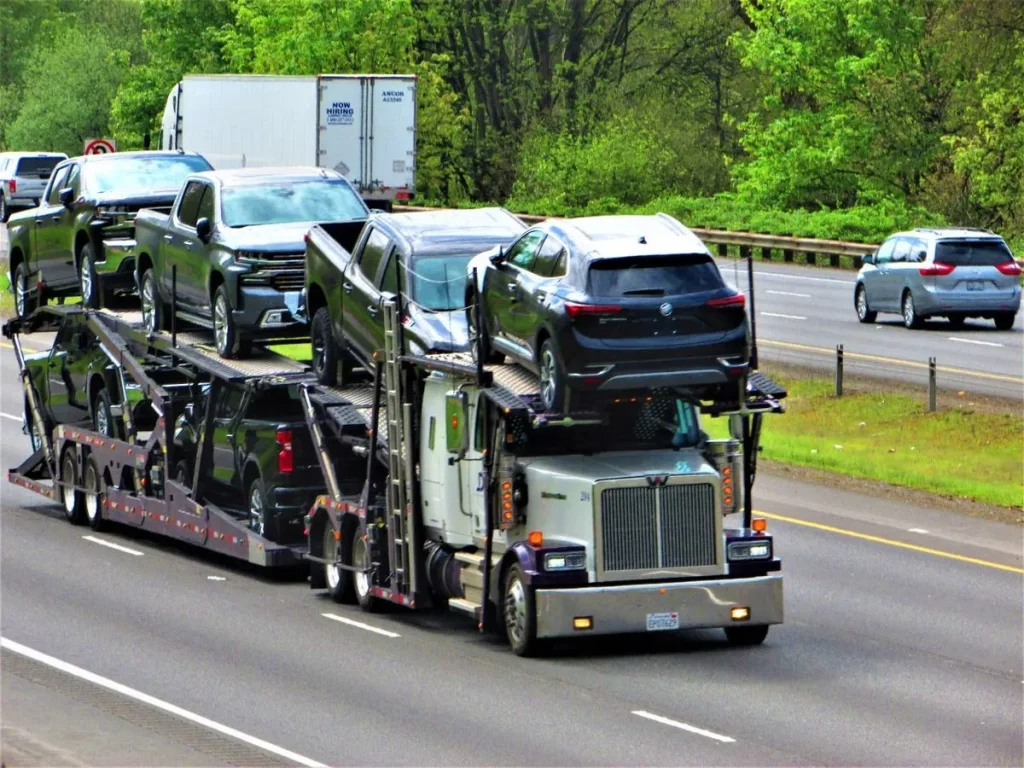
Open car transport is one of the most widely used methods of vehicle shipping. It involves transporting cars on an open trailer that can carry multiple vehicles simultaneously. You have probably seen these large trailers carrying cars along highways.
This method is popular because it is practical, widely available, and generally more affordable than enclosed transportation.
Open transport is suitable for:
-
Everyday passenger vehicles
-
Sedans and hatchbacks
-
SUVs and pickup trucks
-
Standard used and new vehicles
-
Dealership inventory
Although vehicles are exposed to normal outdoor conditions during transportation, professional loading and securement procedures help protect them throughout the journey.
What Is Enclosed Car Transport?
Enclosed car transport uses a covered trailer to protect vehicles from direct exposure to weather and road debris. Unlike open carriers, enclosed trailers provide an additional layer of physical protection.
This transportation method is particularly useful for vehicles that require extra attention.
Enclosed transport is often preferred for:
-
Luxury vehicles
-
Classic and vintage cars
-
Exotic sports cars
-
Collector vehicles
-
Restored automobiles
Because enclosed carriers offer specialized protection and may have limited capacity, this option generally costs more than open transport.
Key Differences Between Open and Enclosed Transport
1. Vehicle Protection
Open carriers expose vehicles to normal outdoor elements. Enclosed carriers provide additional protection from rain, dust, road debris, and other external conditions.
2. Shipping Costs
Open transport is typically more budget-friendly because carriers can transport several vehicles together. Enclosed transport usually involves higher costs due to specialized equipment and limited capacity.
3. Vehicle Suitability
Standard daily-use vehicles are commonly shipped using open carriers. High-value, rare, or delicate vehicles may benefit from enclosed transportation.
4. Carrier Availability
Open transport is generally more widely available. Enclosed carriers may require additional scheduling depending on the route and vehicle requirements.
How to Choose the Right Option
Start by considering your vehicle’s value, condition, transportation distance, and budget. If you are shipping a regular family car, open transport may be a practical choice. If you own a classic or luxury automobile, enclosed shipping may offer the additional protection you want.
It is also important to discuss vehicle dimensions, pickup arrangements, delivery expectations, and insurance coverage before confirming your shipment.
Why Choose Car Transit Transport?
Car Transit Transport offers vehicle shipping solutions designed around different transportation needs. Whether you need open or enclosed car transport, our goal is to make arranging vehicle transportation straightforward.
We help customers understand their options, prepare for pickup, and coordinate their shipping arrangements.
Final Thoughts
Both open and enclosed car transport offer useful solutions. The right option depends on your vehicle, budget, and preferred level of protection.
Contact Car Transit Transport at (779) 246-3078 to discuss your vehicle shipping requirements and explore the available transportation options.