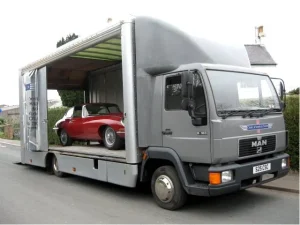

Car Transit Transport provides enclosed car transport solutions for customers who want additional protection when shipping valuable, luxury, classic, or specialty vehicles. Enclosed carriers offer a covered transportation environment that helps shield vehicles from weather and road debris.
Some vehicles deserve additional attention during transportation. Whether you own a luxury automobile, a classic collector car, a restored vehicle, or a high-performance sports car, selecting the right shipping method can make a significant difference.
Enclosed car transport provides an additional layer of protection by moving vehicles inside a covered trailer rather than on an open carrier.
Car Transit Transport helps customers explore enclosed vehicle transportation options based on their vehicle type, pickup location, delivery destination, and scheduling requirements.
Enclosed car transport is a specialized vehicle shipping method in which automobiles are transported inside a covered trailer.
Unlike open carriers, enclosed trailers have protective walls and a roof that help shield vehicles from direct exposure to rain, dust, road debris, and other outdoor conditions.
This makes enclosed transportation particularly appealing to owners of vehicles that require additional care.
Depending on the carrier and shipment requirements, enclosed transport may use specialized loading equipment and handling procedures to accommodate certain vehicle types.
1. Additional Weather Protection
Weather conditions can change throughout a long-distance journey. Enclosed trailers provide a covered environment that helps protect vehicles from rain, snow, dust, and direct outdoor exposure.
2. Protection from Road Debris
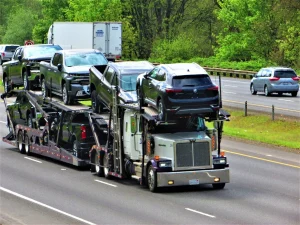
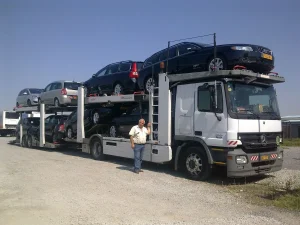
Vehicles traveling on open carriers may be exposed to small stones and other debris from the road. Enclosed transportation provides an additional barrier against these external elements.
3. Ideal for Luxury and Classic Cars
Luxury vehicles, vintage automobiles, collector cars, and restored vehicles often require more specialized transportation arrangements. Enclosed shipping can be a suitable option for owners who want additional protection.
4. Specialized Transportation Options
Some enclosed carriers offer equipment designed for handling low-clearance, valuable, or specialty vehicles. Specific capabilities vary by carrier, so requirements should be discussed before booking.
Enclosed transportation can be considered for:
Luxury sedans.
Exotic sports cars.
Classic and vintage automobiles.
Restored collector vehicles.
High-performance cars.
Rare and specialty vehicles.
Vehicles with delicate exterior finishes.
If your vehicle has special loading requirements, modifications, or low ground clearance, communicate these details before transportation is arranged.
Step 1: Share Your Vehicle Information
Provide the make, model, year, dimensions if necessary, pickup address, and delivery location.
Step 2: Discuss Enclosed Shipping Requirements
The transportation provider can review your requirements and explore suitable enclosed carrier options.
Step 3: Confirm Your Shipping Arrangements
Review the estimated price, carrier arrangements, scheduling details, insurance information, and applicable terms before confirming.
Step 4: Vehicle Inspection and Loading
Before loading, the vehicle’s condition should be documented. The carrier then loads and secures the vehicle using suitable equipment.
Step 5: Transportation and Delivery
The vehicle is transported inside the enclosed trailer toward the destination. At delivery, inspect its condition and review the relevant documentation.
Enclosed car transport typically costs more than open transportation because enclosed carriers have specialized equipment, limited vehicle capacity, and different operating expenses.
The final shipping price may depend on:
Total transportation distance.
Vehicle dimensions and weight.
Pickup and delivery locations.
Carrier availability.
Seasonal demand.
Special loading requirements.
Scheduling flexibility.
For the most suitable estimate, provide accurate vehicle details and discuss any additional requirements before arranging transportation.
Before your vehicle is collected, make sure it is ready for transportation.
Clean the exterior and photograph all sides of the vehicle. Remove personal belongings and loose accessories. Check that the battery and tires are in suitable condition.
If your vehicle has a low ground clearance, non-standard dimensions, mechanical issues, or special handling requirements, communicate them in advance.
You should also review the applicable insurance coverage and transportation documentation before pickup.
Both methods can be useful, but they serve different transportation needs.
Open transport is generally a practical and more economical choice for everyday vehicles. Enclosed transport provides additional protection for vehicles that are valuable, rare, or particularly sensitive to external conditions.
Your decision should depend on your vehicle’s value, condition, transportation requirements, and budget.
At Car Transit Transport, we understand the importance of arranging appropriate transportation for valuable vehicles.
We aim to help customers explore their options, understand the shipping process, and coordinate vehicle transportation according to their requirements.
Whether you are shipping a classic car, luxury vehicle, or specialty automobile, we can help you discuss the available transportation arrangements.
Give your vehicle the additional protection you are looking for with an enclosed shipping solution.
Contact Car Transit Transport in Joliet, Illinois, to discuss your requirements and request a transportation estimate.
Phone: (779) 246-3078
Find answers to some common questions about car shipping and vehicle transportation.
The cost of car transportation depends on several factors, including the distance between pickup and delivery locations, vehicle size, transportation method, carrier availability, and seasonal demand. Open transport is generally more affordable than enclosed shipping. Contact Car Transit Transport with your vehicle and route details to discuss an estimate.
Open car transport moves vehicles on open carrier trailers, making it a practical and generally economical shipping option. Enclosed car transport moves vehicles inside covered trailers, providing additional protection from weather and road debris. The right choice depends on your vehicle type, budget, and preferred level of protection.
Vehicle shipping time depends on transportation distance, route availability, weather, traffic, and carrier scheduling. Shorter routes generally require less transportation time than cross-country shipments. Your estimated pickup and delivery schedule should be discussed before confirming your shipment.
Yes, door-to-door auto transport can provide pickup and delivery near your requested addresses. However, the carrier must have safe and legal access to those locations. If a large transport truck cannot reach your exact address, a nearby accessible meeting point may be arranged.
Before shipping, clean your vehicle, remove personal belongings, take photographs of its existing condition, check the tires and battery, and keep the fuel level at approximately one-quarter tank unless instructed otherwise. Also, make sure the vehicle is accessible and review the pickup inspection documentation.